Triptych on the melancholy after the anthropocene
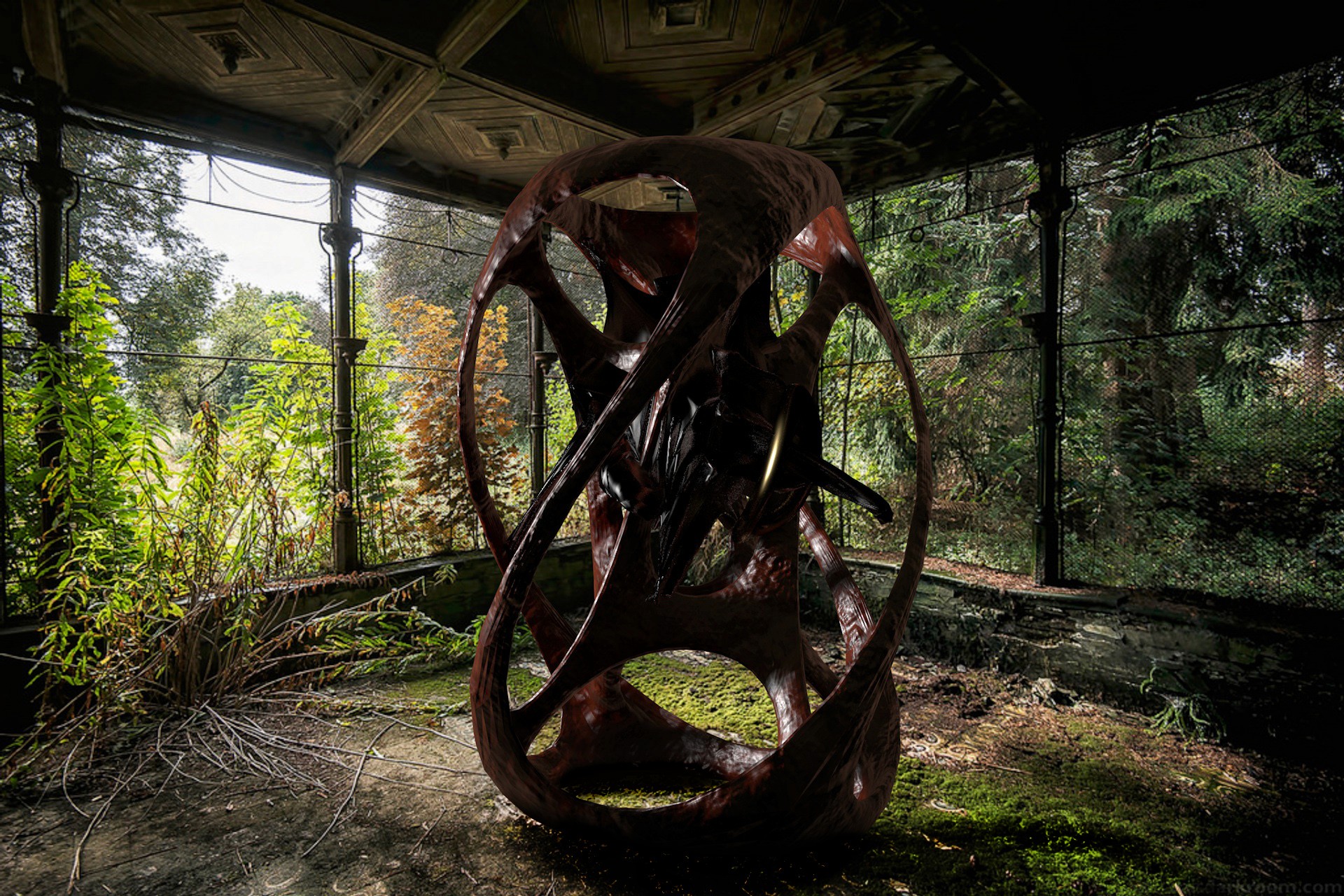
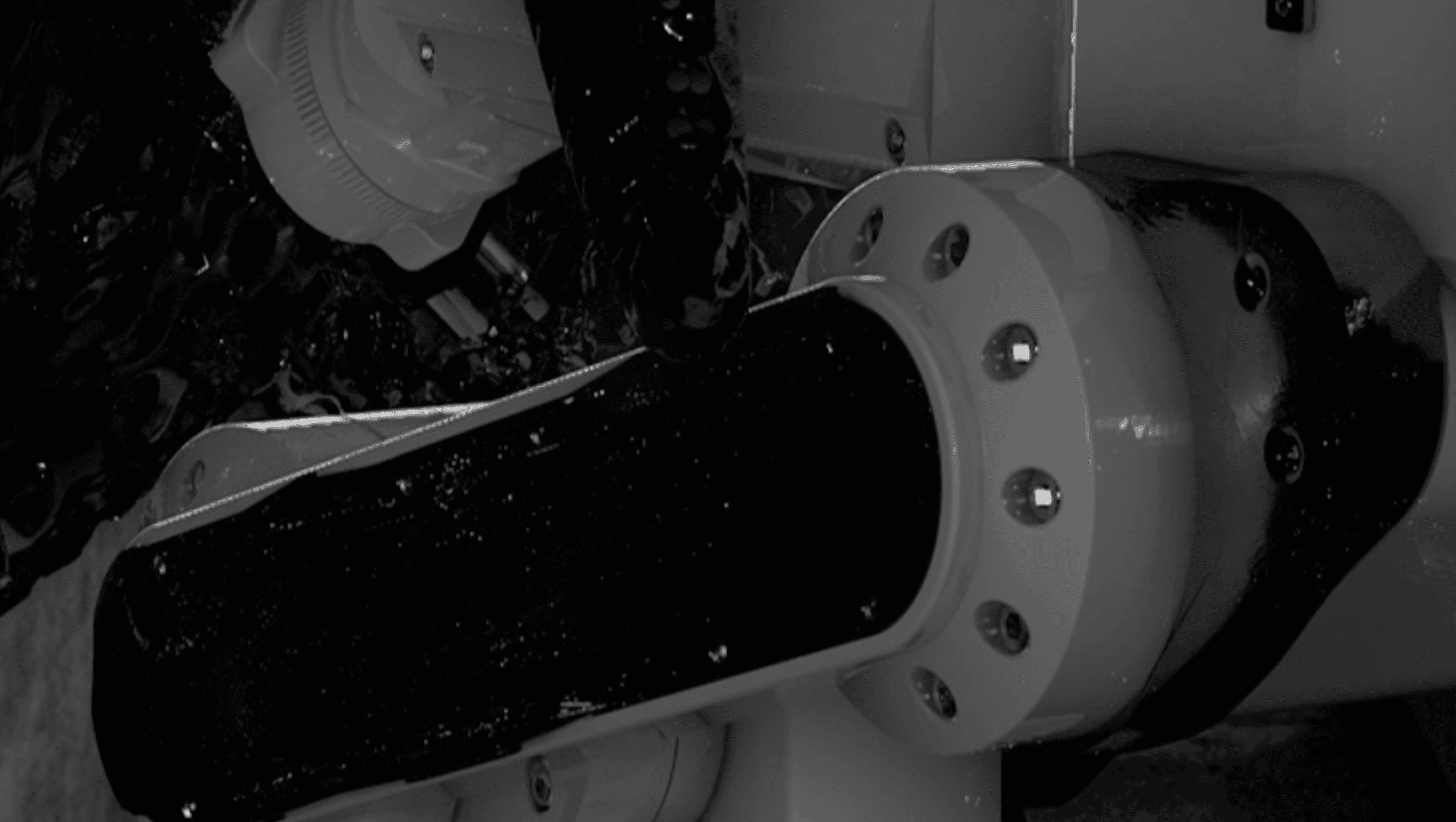
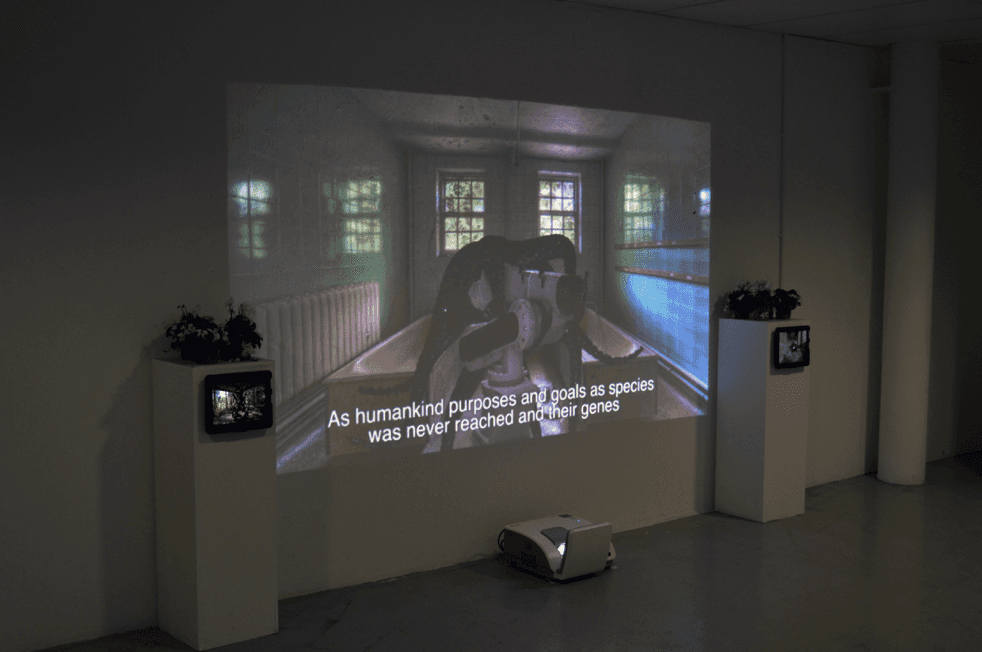
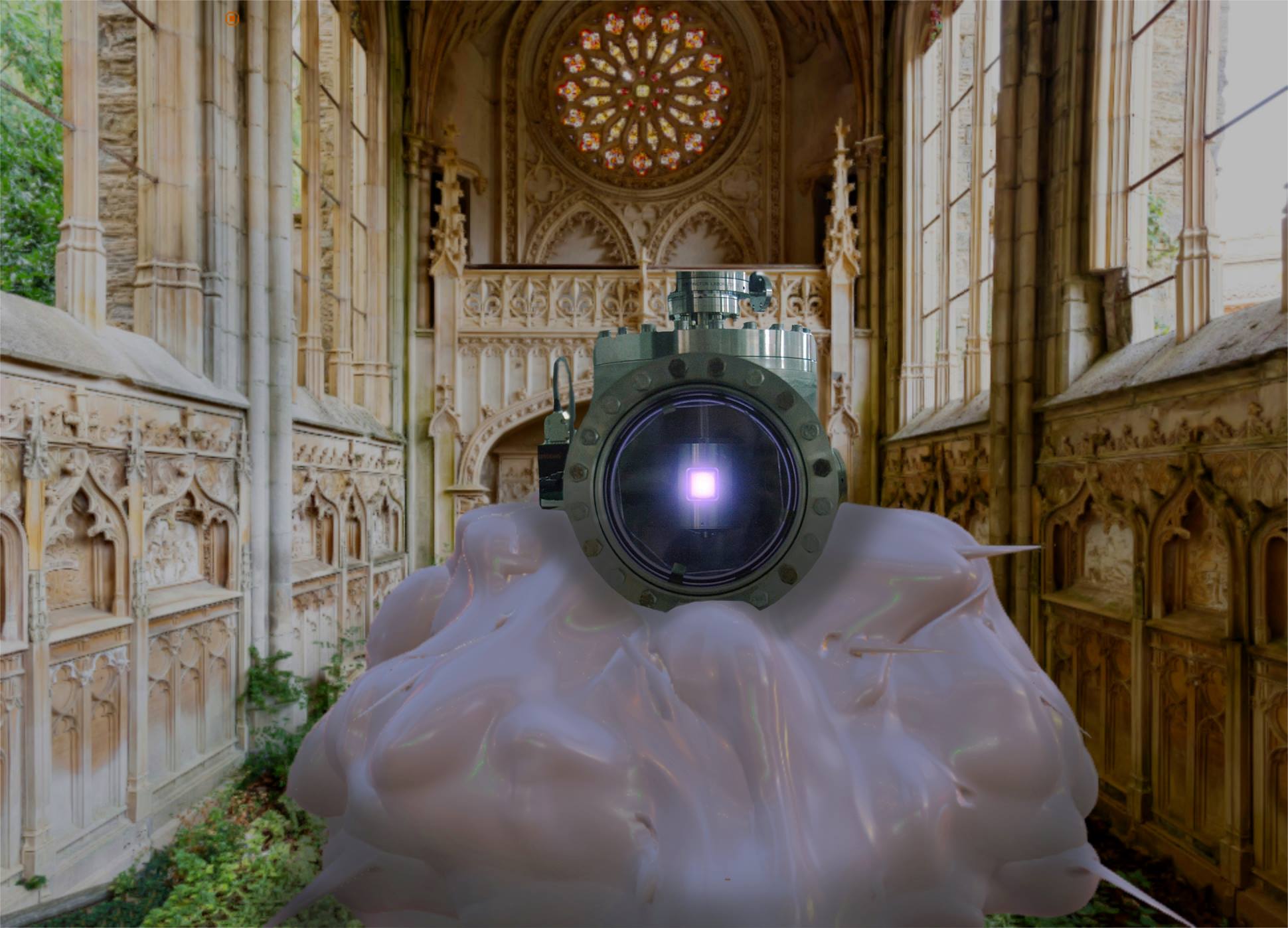
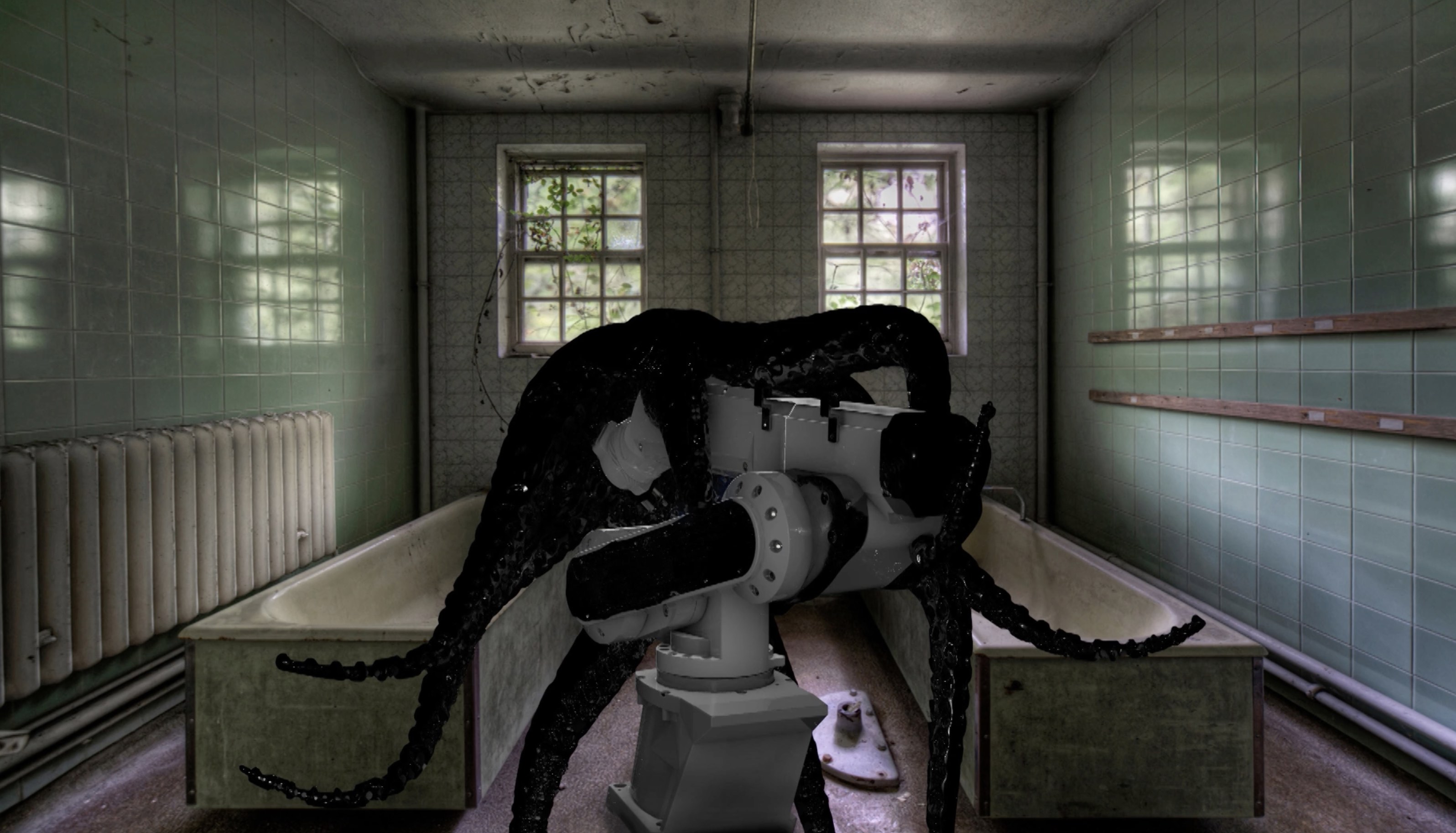
Triptych on the Melancholy After the Anthropocene is a video essay and installation that imagines a post-human world through a scripted dialogue between proto-biological entities, reflecting on the absence of humanity after its gradual or abrupt disappearance. The work envisions a future where these non-human life forms engage in speculative conversation, exploring themes of loss, adaptation, and survival in a world no longer shaped by human presence. Through this dialogue, the piece reflects on the remnants of human impact and the melancholic undertones of a planet in transition, where life continues in new, unfamiliar forms.
Presented at the Winchester Centre for Global Futures in Southampton, the installation invites viewers into a meditative space, both visually and conceptually, as they witness the imagined exchanges of these entities. The use of video, sound, and spatial design creates an immersive environment that prompts reflection on the Anthropocene and what follows in its wake.
Credits
Special thanks to Doreen Rios, ANTI(MATERIA) and the Southampton University