Clustaer
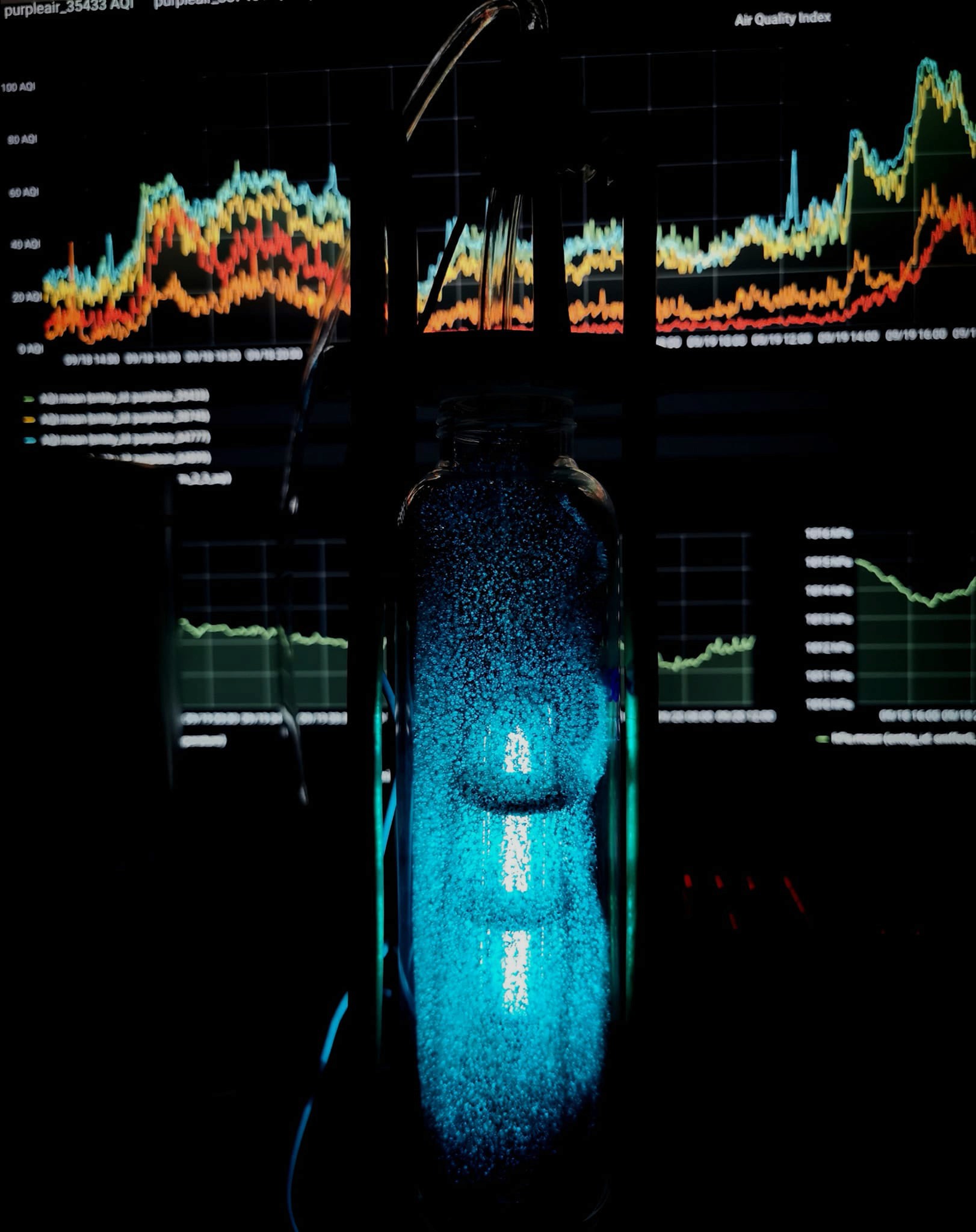
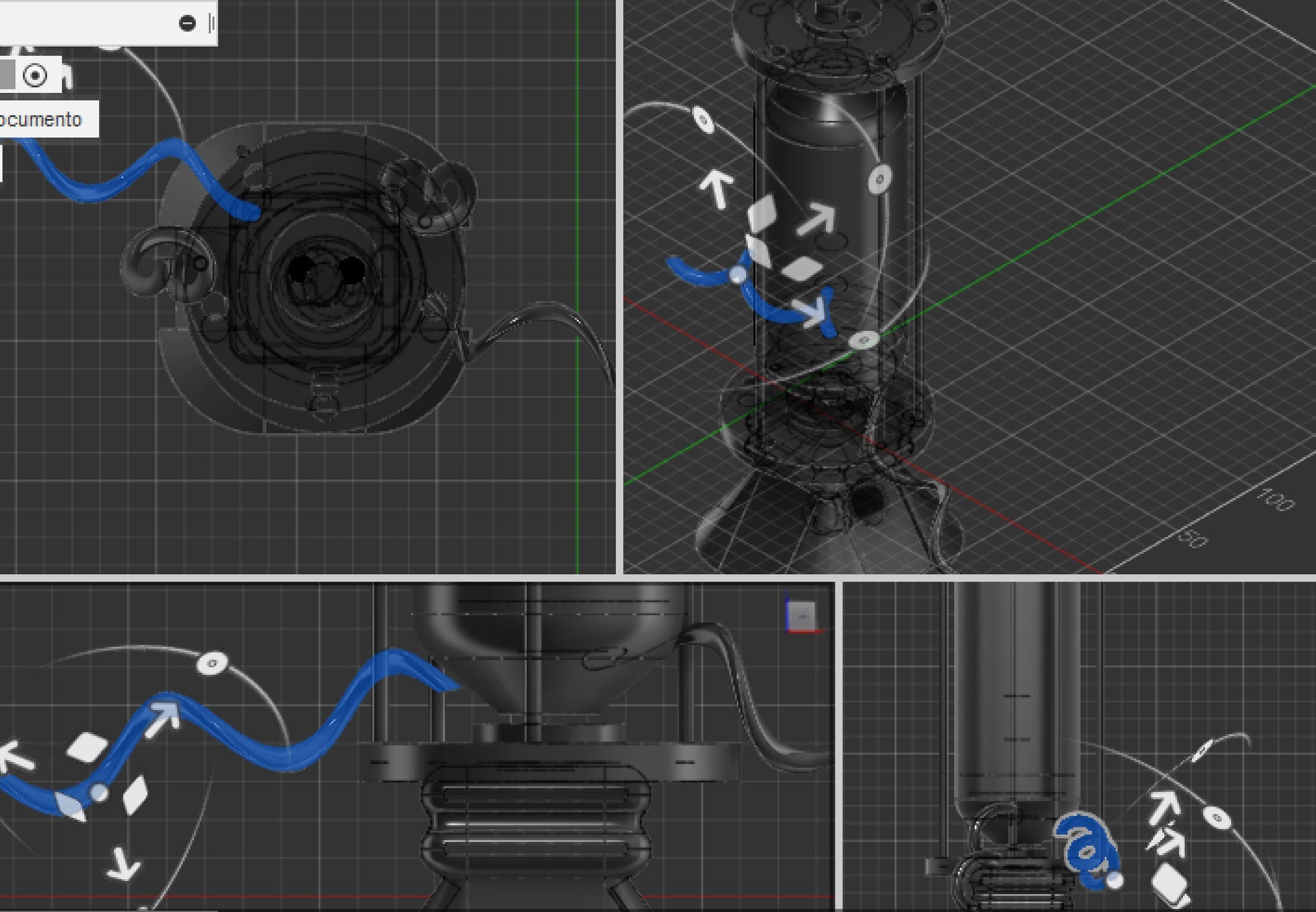
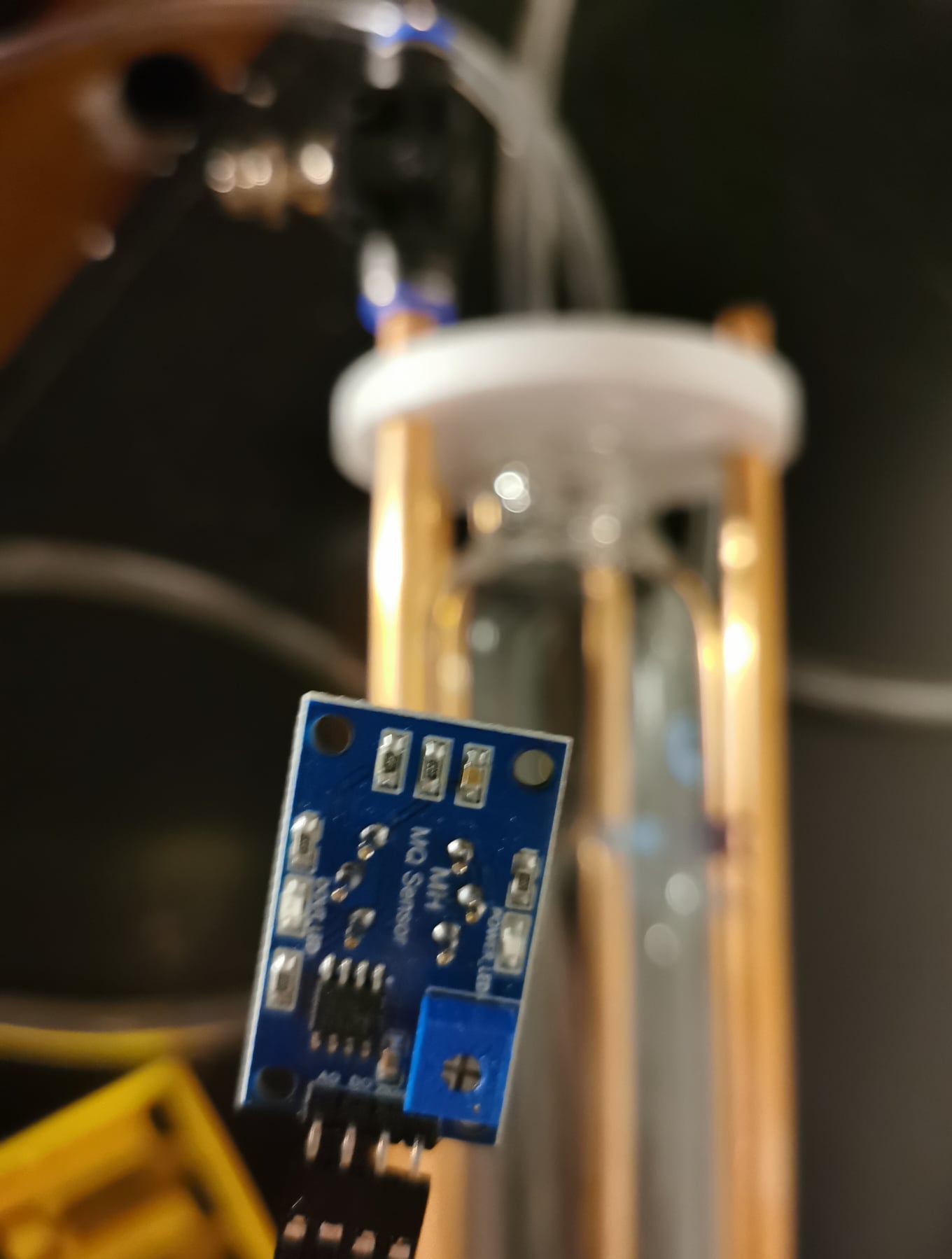
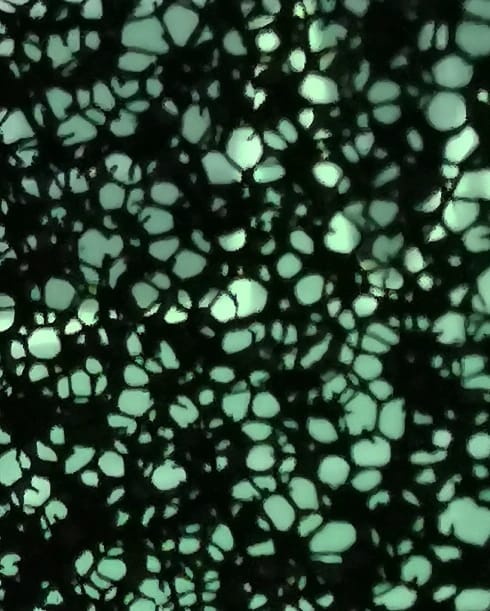
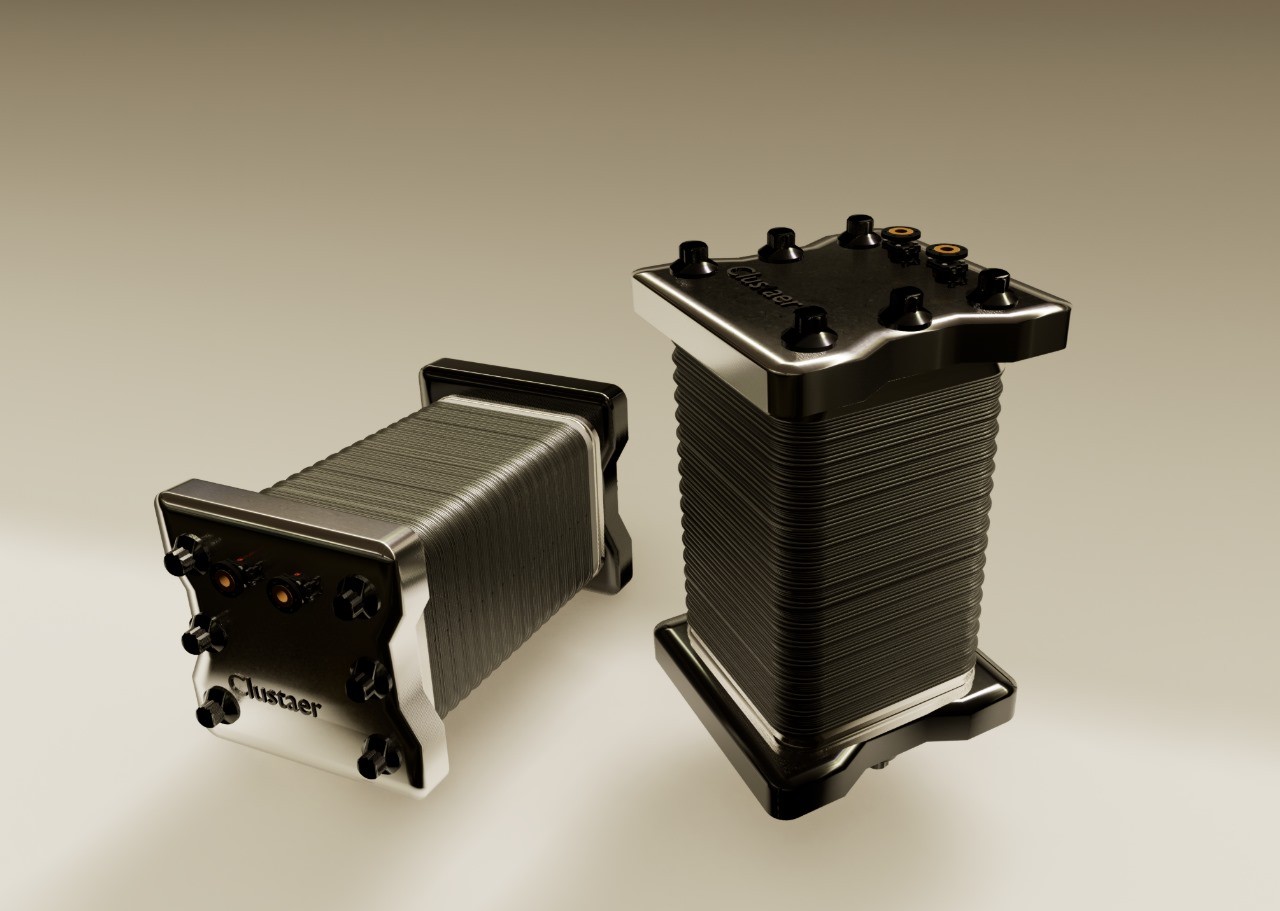
Clustaer is a set of prototypes of different CO2 conversion systems. The first stage consisted in buildig a photocatalytic reactor, its focus was on experimenting with metal-organic frameworks (MOFs) to evaluate their efficiency in converting CO₂ and NOx into antipollutants like Hydroxyl Radicals (•OH). The second phase consisted in developing a Co-electrolysis machine to increase the conversion of CO2. The setup involved measuring gas concentrations before and after the reaction, providing essential data on how well these materials could capture and transform CO₂ under controlled conditions. This early experimentation laid the groundwork for refining the mechanisms and materials involved.
The project aims to scale beyond the laboratory and develop a production-ready machine that fits within the framework of bioenergy with carbon capture and storage (BECCS). As it progresses, Clustaer will explore how to integrate these photocatalytic systems into larger processes for capturing and storing carbon at industrial levels. The long-term vision is to create a solution that not only captures CO₂ efficiently but also contributes to broader carbon-negative strategies in energy production.
Special thanks to: PhD Angeles Mantilla, Laboratory of Photocatalysis & Nanomaterials IPN, Mexico.
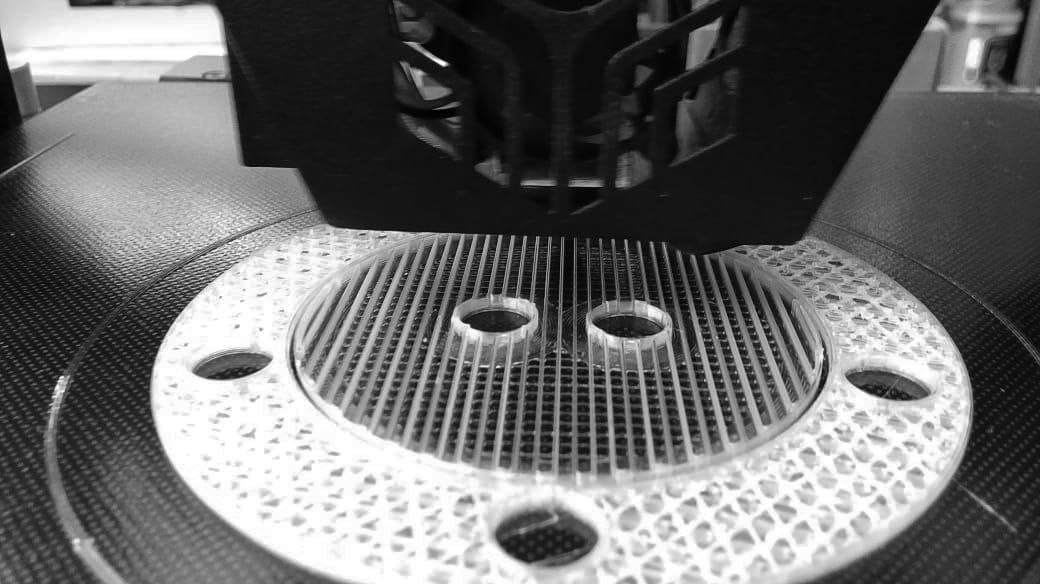
Prototype design of photocatalytic reactor, 3D printing, custom electronics, concept images.
Credits
Special thanks to: PhD Angeles Mantilla, Laboratory of Photocatalysis & Nanomaterials IPN, Mexico.